Wars and Memory
The Holocaust (Shoah)
"Catastrophe", "annihilation": the systematic extermination of six million Jews by the Nazi regime between 1939 and 1945
The Holocaust in Europe: horror on a continental scale
The emergence of an antisemitic policy
State antisemitism took hold from 1933 with the rise to power of Adolf Hitler in Germany. The Nuremberg Laws, passed in 1935, stripped Jewish people of their citizenship and excluded them from German society. This marginalisation rapidly evolved into a policy of mass extermination.
The stages of persecution
Racial laws
and segregation
Across occupied Europe, Jewish populations were forced to wear the yellow star and suffered the confiscation of their property.
The ghettos
In cities such as Warsaw and Lodz, Jewish people were crammed into overcrowded districts, subjected to starvation and disease.
The extermination
centres
From 1942, the "Final Solution" led to the opening of extermination camps such as Auschwitz-Birkenau, Treblinka and Sobibor. Gas chambers became the primary instrument of killing.
The massacres
in the East
On the Eastern Front, the Einsatzgruppen shot hundreds of thousands of Jewish people and buried them in mass graves.
A terrifying human toll
Approximately six million Jews, including more than one million children, perished in the camps and shootings. To this must be added five million non-Jewish victims, among them Roma people, political opponents, people with disabilities and gay men.
The Holocaust in France: between collaboration and resistance
The collaboration of the Vichy regime
Following France's defeat in 1940, the Vichy regime, led by Marshal Pétain, collaborated with Nazi Germany. From October 1940, antisemitic laws were enacted, excluding Jewish people from public professions and ordering the confiscation of their property.
The Vel d'Hiv Roundup (16-17 July 1942)
More than 13,000 Jewish people, including 4,000 children, were arrested by the French police and held at the Vélodrome d'Hiver before being deported to Auschwitz. Only a handful of survivors would return.
Internment and transit camps in France
In addition to Drancy, Pithiviers and Beaune-la-Rolande, where Jewish people were interned before deportation to Nazi camps, other camps were active in France:
- —Gurs (Pyrénées-Atlantiques): opened in 1939, initially for Spanish refugees, then used to intern foreign Jewish people.
- —Rivesaltes (Pyrénées-Orientales): a transit camp for thousands of Jewish people and other persecuted populations.
- —Le Vernet (Ariège): used to imprison resistance fighters, suspected foreigners and Jewish people.
- —Compiègne (Oise): the main internment camp for Jewish people, resistance fighters and political prisoners in France.
These camps were places of extreme suffering, where hunger, disease and violence were constant.
The Righteous Among the Nations
The Righteous Among the Nations are men and women who risked their lives to save Jewish people during the Holocaust. In France, more than 4,000 people have received this honorary title awarded by the Yad Vashem Memorial in Israel. These unsung heroes, often modest families, took Jewish children into their homes, provided false papers or helped them flee to safety.
Entire villages, such as Le Chambon-sur-Lignon in Haute-Loire, became symbols of solidarity. This Protestant village gave refuge to hundreds of Jewish people despite the risk of denunciation. The Righteous embody human resilience and courage in the face of barbarism.
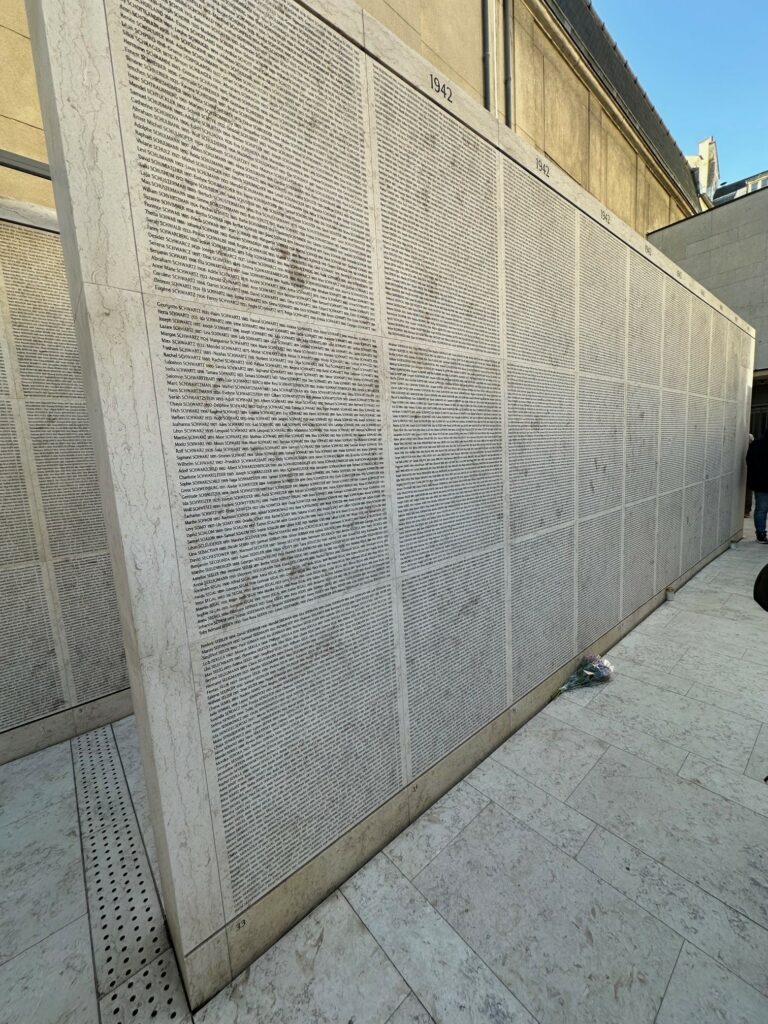
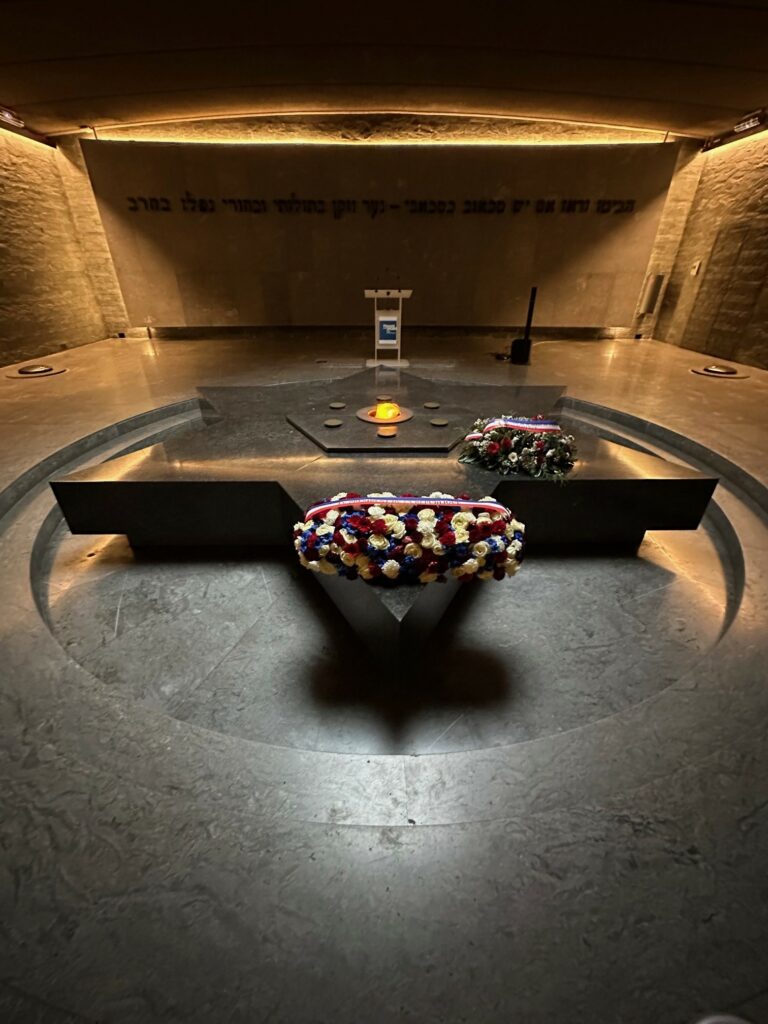
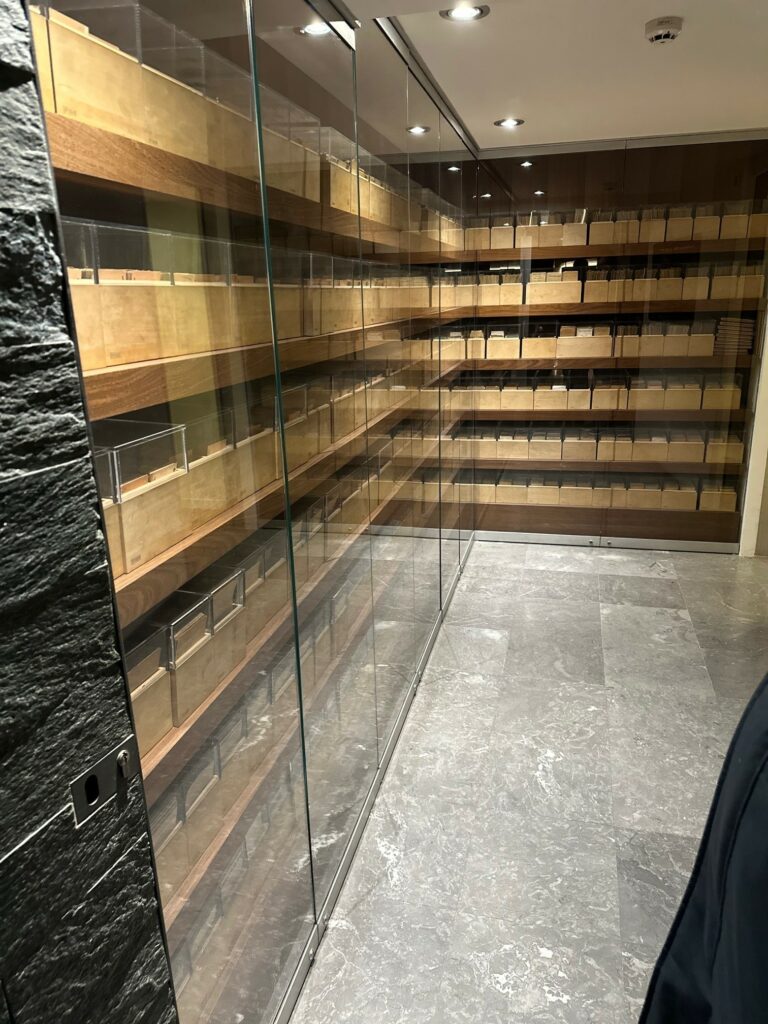
The Shoah Memorial in Paris
Memory and legacy
The work of remembrance surrounding the Holocaust is essential so that this human tragedy is never forgotten. Places such as the Shoah Memorial in Paris and commemorative ceremonies remind us of the importance of fighting antisemitism and transmitting this history to future generations. Witness accounts and documentary films also contribute to keeping the memory of the victims alive.
This duty of remembrance is vital to honour the victims and remind us of the necessity of defending human dignity against every form of oppression.