Poppies and Daffodils: Our Story
A word from the founder: Why this association?
I come from a region of France where the word "war" carries a profound resonance. Lorraine was marked by three great conflicts that ravaged our country. Each one left behind destruction, human loss, and names engraved in the collective memory: Verdun, Gravelotte, Metz…
My family, like so many others, bears the scars of these tragedies. My great-grandfather Eugène, a staff sergeant in the 107th heavy infantry regiment, died during the First World War. His home village, Regniéville-en-Haye, was so heavily bombarded it was never rebuilt. He left behind a two-year-old son, Paul…
In 1939, it was Paul's turn — my grandfather — to be called up. Taken prisoner, he was sent to Germany to work for six years. On his return, his own son, who had never seen him, called him "Monsieur".
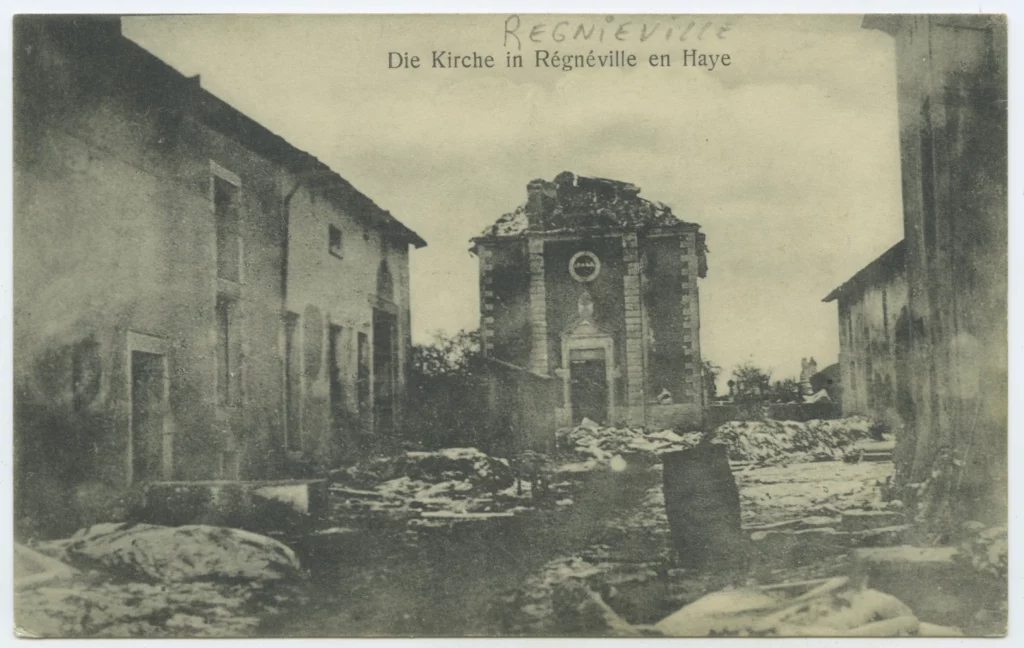
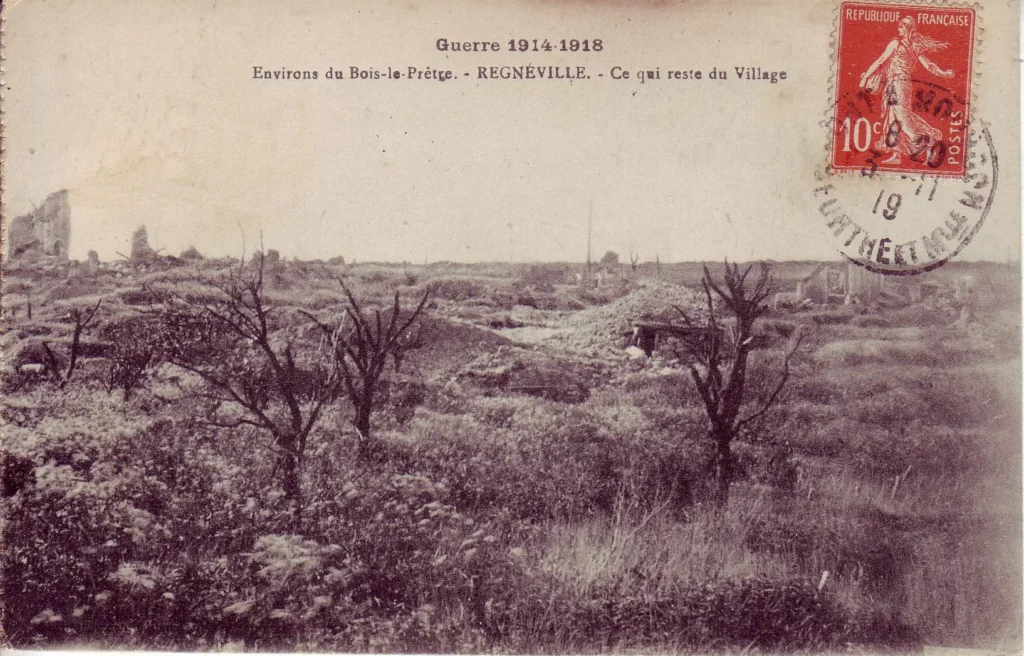
Though I did not live through these events, I cannot ignore the evident parallel with the war in Ukraine today. The bombardments, the destroyed villages, the separated families, the trenches, the wounded and fallen soldiers — Europe has seen all of this before. And yet, it is happening again.
I have also had the opportunity to meet soldiers and veterans wounded in recent conflicts. Their stories moved me deeply, particularly their struggles with invisible wounds. These experiences convinced me that the memory of past battles and support for today's survivors are inseparable.
This is why I created Poppies and Daffodils:
So that memory may be not just a duty, but a tool for building.
To honour those who fought for our freedom.
And to support those who, even today, resist and rebuild.
Dominique Carricart
President and founder of the Poppies and Daffodils association
Memory, Transmission and Resilience in the Face of Conflict
Poppies and Daffodils is a French non-profit association (loi 1901) committed to transmitting the memory of conflicts that have shaped France and Europe, to peace education, and to supporting children victimised by war — whether children of civilians or of military personnel, in France and abroad.
Our aim is to connect the history of past wars with contemporary challenges — particularly the war in Ukraine, the wounds that conflict leaves on children, and the need to build a living memory, rooted in action, so that these tragedies may never happen again.
The Meaning of the Name: Poppies, Cornflowers and Daffodils
The name Poppies and Daffodils refers to symbols of remembrance:
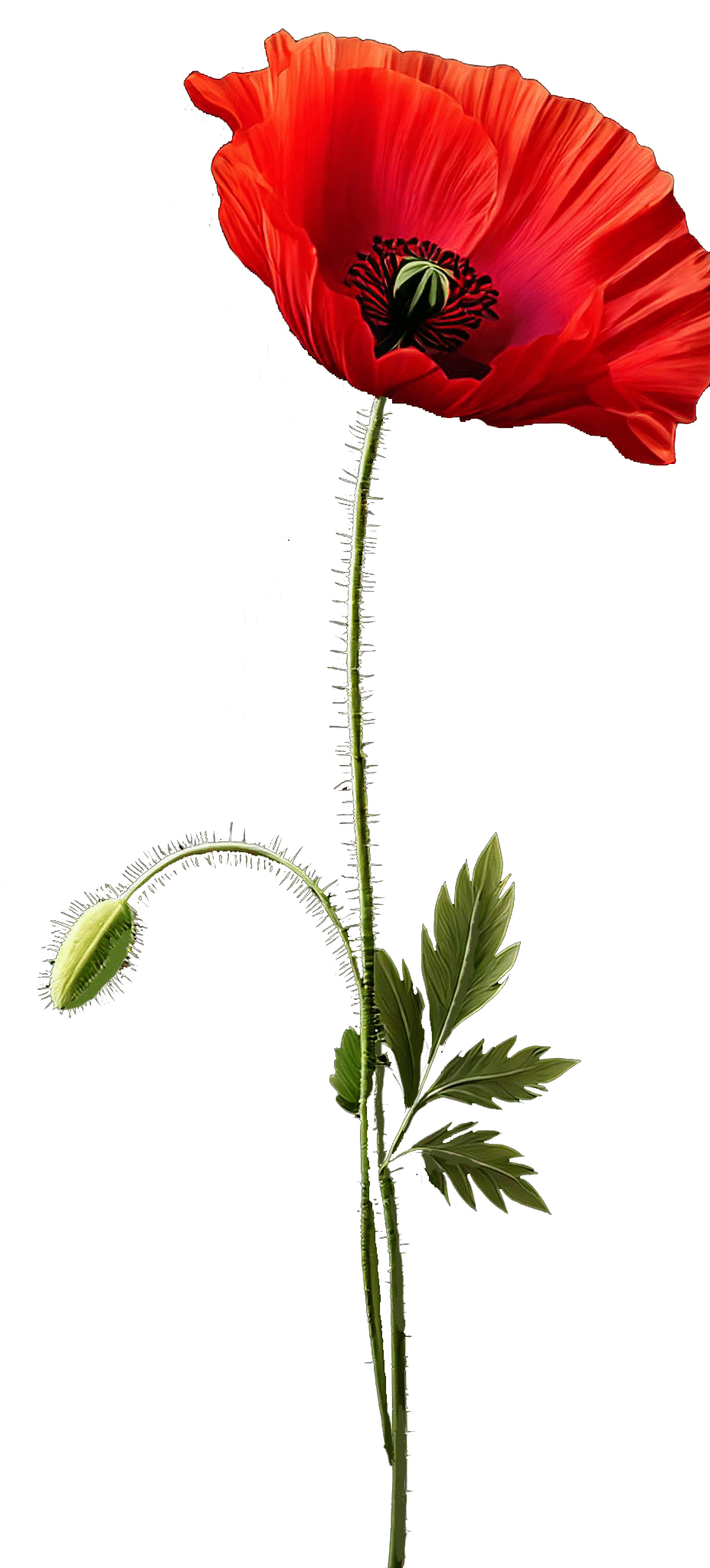
The Poppy
Symbol of remembrance in Commonwealth countries, worn each 11th of November in tribute to soldiers who fell at the front.
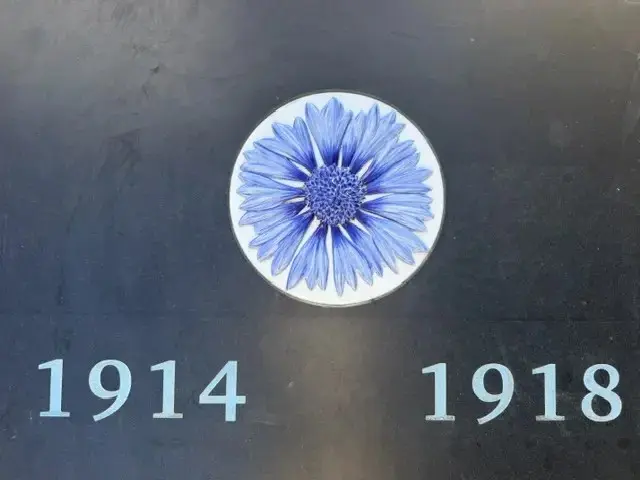
The Cornflower
Its French equivalent, embodying the national memory of veterans of the First World War and all victims of war. This medallion in Limoges faience adorns the war memorial in Limoges.
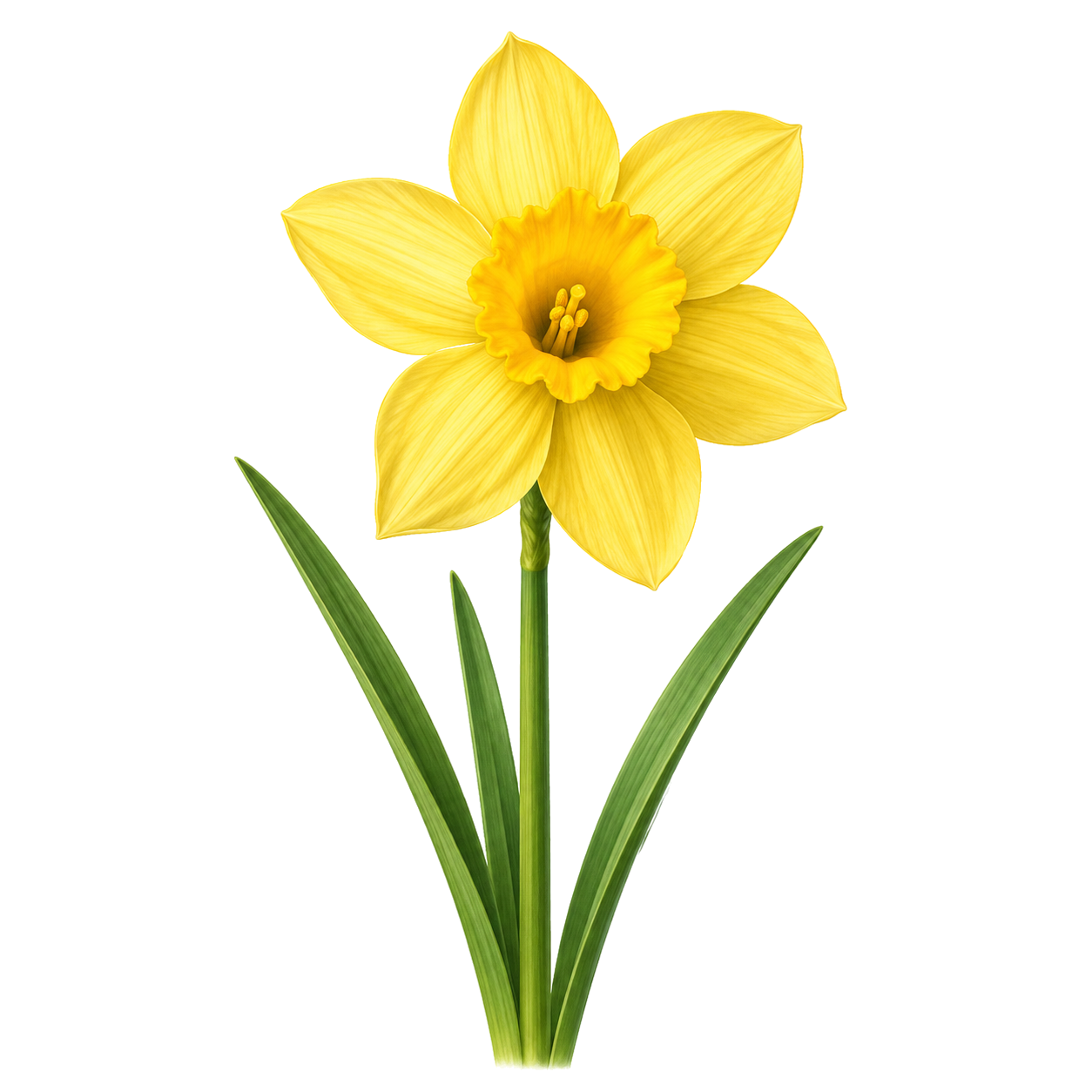
The Daffodil
Flower of spring and renewal, it represents childhood and the future: the generations that grow back after destruction, the children victimised by wars whom we support, and the societies that rebuild themselves.
By bringing these three flowers together, we carry a transnational vision of memory: interwoven stories, shared responsibilities, a future in common.
Our Areas of Action
Transmitting Memory
- —Educational visits to sites of memory in France and across Europe
- —Conferences, exhibitions and historical content accessible to the general public
- —Creating educational resources tailored to young audiences (secondary schools, sixth-form colleges, apprenticeship centres…)
Supporting Children Victimised by War
- —Supporting children affected by conflict, whether children of civilians or of military personnel
- —Fundraising for organisations supporting children victimised by war, such as Voices of Children in Ukraine
- —Resilience workshops and spaces for expression for young people fragile from war or exile
- —Raising awareness of the human impact of contemporary conflicts, notably the war in Ukraine
Peace Education and European Citizenship
- —Erasmus+ projects for memory, resilience and educational exchange
- —Intergenerational and transnational workshops
- —Creating multilingual and participatory resources